
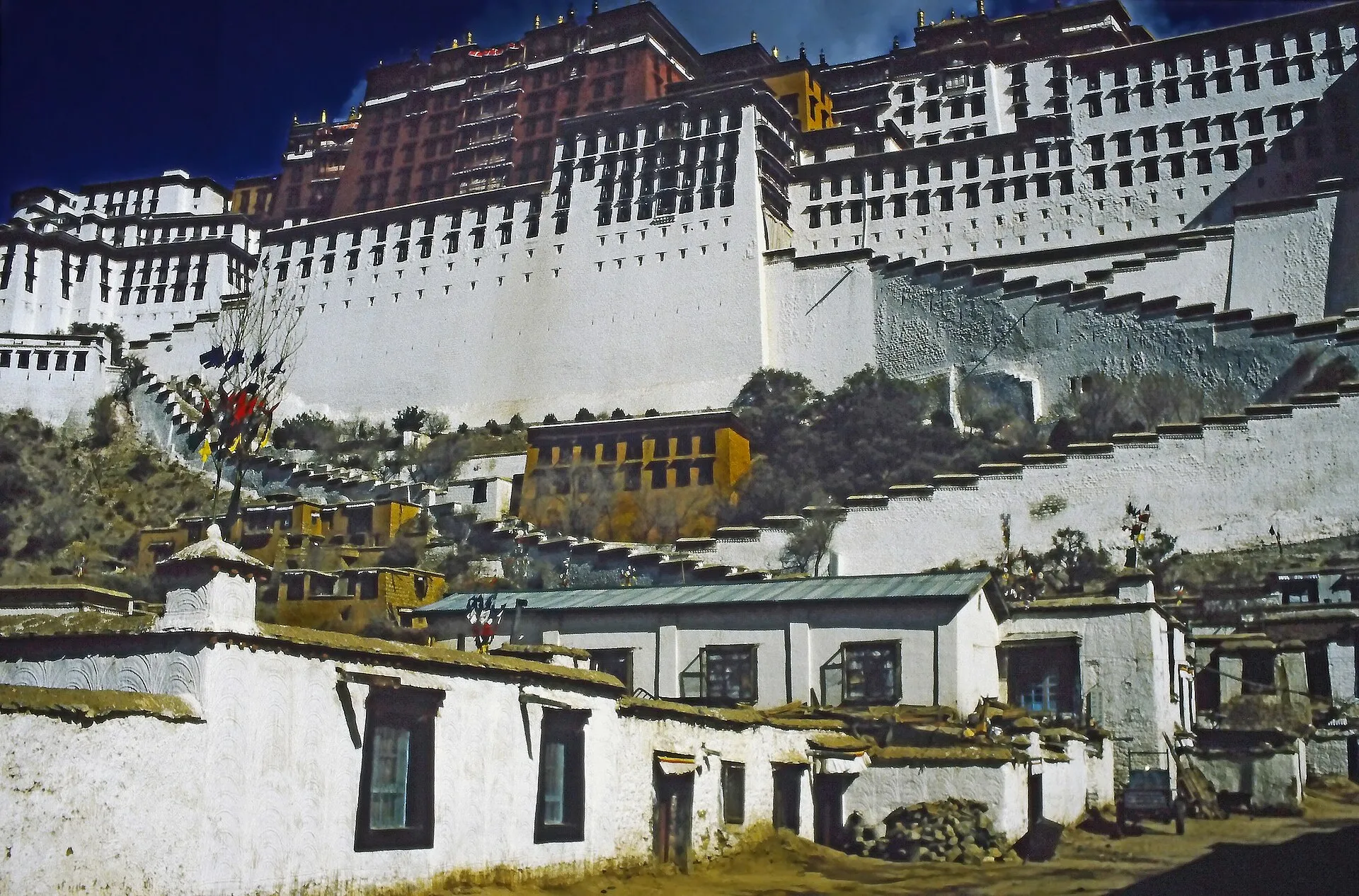
Lhasa
Explore the spiritual heart of Tibet with stunning monasteries and Himalayan views.
Last reviewed October 23, 2026 · conditions change — confirm opening times and permits before you go
Tibet is not a DIY destination
Foreign passport holders need a permit arranged through a licensed agency and travel with a guide and vehicle. Apply 20–30 days ahead and read thealtitude guidebefore booking flights.
Why Lhasa
Lhasa is unlike anywhere else in China: 3,650 meters up, ringed by mountains, and home to the Potala Palace and Jokhang Temple. It is not a casual add-on — the altitude, the permits and the flight costs make it a destination you commit to. For most visitors it is the trip of a lifetime, and worth every step.
How to plan your days
Three to four days minimum, with the first day reserved for doing almost nothing — your body needs it at this altitude. Day two: Jokhang Temple and the Barkhor kora in the morning, Potala Palace in the afternoon (timed tickets, booked ahead). Day three: Sera Monastery for the afternoon debating monks, or Drepung Monastery. A fourth day opens a drive to Yamdrok Lake or a valley monastery.
Getting there
Flights connect Lhasa with Chengdu, Xi’an, Chongqing and Beijing daily. The Qinghai–Tibet train from Xining is the scenic, altitude-graded option if you have time (about 21 hours) — and boarding in Xining is how most rail travelers handle the altitude.
Permits and rules
Foreign passport holders need a Tibet Travel Permit, arranged through a licensed Tibetan travel agency before you fly — airlines check it at check-in. In practice you travel as part of an organised tour with a guide and vehicle; solo independent travel is not available to foreign visitors. Apply roughly 20–30 days ahead, and longer in peak season. The permit is tied to a fixed itinerary, so changes can mean a new permit, and trips to Everest, Kailash or border areas need additional permits. Rules change: confirm the current requirements with your agency before paying for flights.
Where to stay and what to eat
Stay in the old town within walking distance of the Barkhor — the altitude makes walking farther than you expect. Oxygen-equipped rooms are worth the premium for the first night. Eat momos, thukpa and sweet tea in the teahouses around the Barkhor; the food is simple, filling and cheap.
Practical notes
Take the altitude seriously: no alcohol the first two days, drink water constantly, and descend if symptoms worsen — altitude sickness does not care about your fitness level. Weather turns on a dime, so layer up even in summer. Photography is restricted inside temples; ask before shooting monks or pilgrims.
Other destinations
Beijing
China's capital, from the Great Wall and Forbidden City to hutongs and night markets: what to see, how many days you need and when to go.
Best time: April - May, September - October
Shanghai
Experience the dynamic blend of East and West in China's most cosmopolitan city. Explore historic Bund, modern Pudong, and vibrant food scenes.
Best time: March - May, October - November
Xi'an
Step back in time at the ancient capital with the Terracotta Army and City Wall. Taste amazing Muslim Quarter street food.
Best time: April - May, September - October
Questions about your trip?
If you want help with routes or want to ask me something directly, you can find me here.