
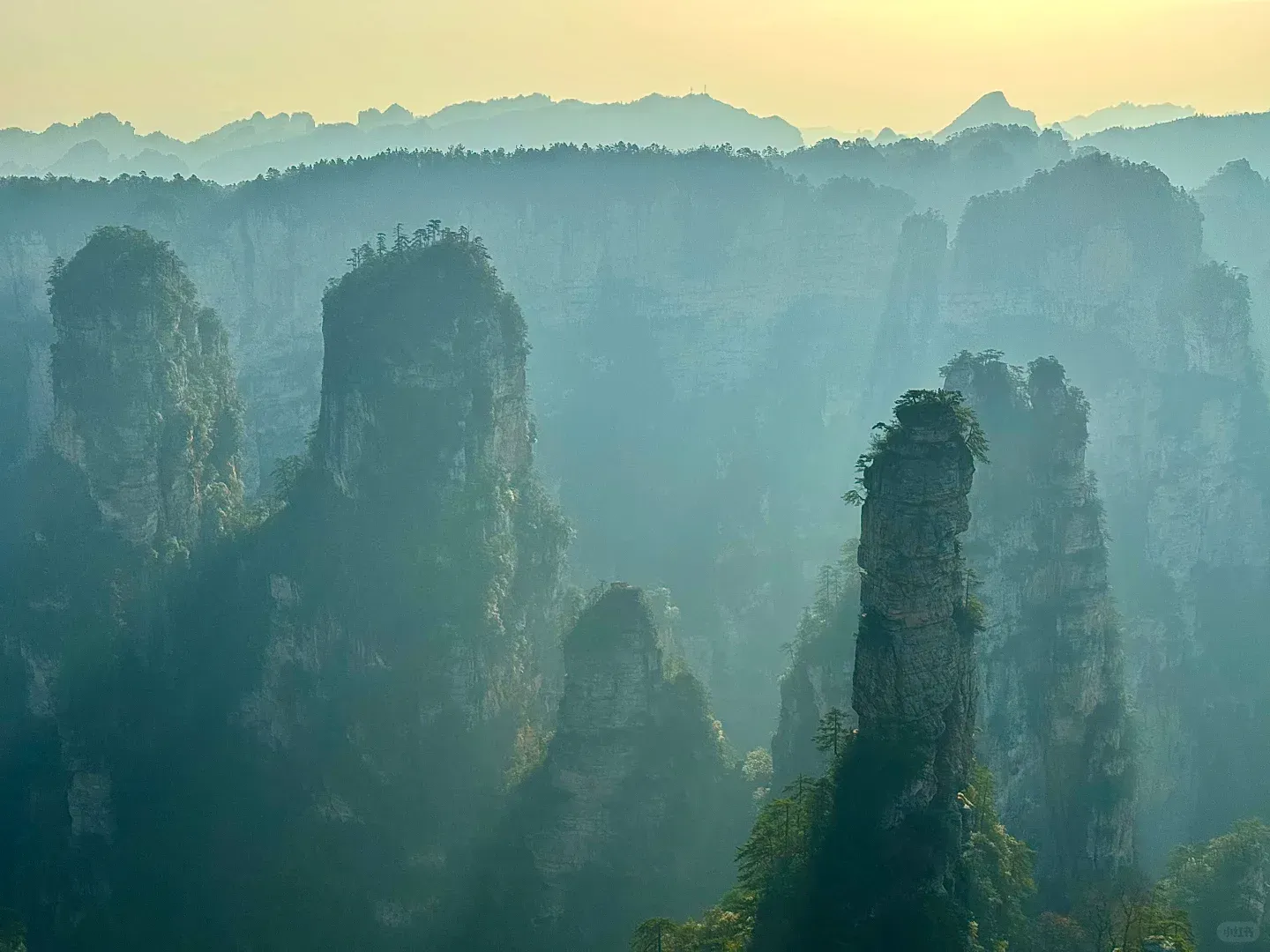
Zhangjiajie
Sandstone pillars and Tianmen Mountain: honest advice on the national forest park, the glass bridge and how to split your days without losing them to queues.
Last reviewed October 23, 2026 · conditions change — confirm opening times and permits before you go
Why Zhangjiajie
The landscape is not like anywhere else in China: vertical sandstone pillars with pine trees on top, wrapped in mist on good days and swallowed by it on bad ones. The park markets a link to the floating peaks in Avatar, though the filmmakers have credited Huangshan in interviews — either way, the pillars speak for themselves. It is one of the few Chinese destinations where nature is the whole point, and it rewards slow walking more than checklist sightseeing.
How to split your days
Count on three full days. Day one: Yuanjiajie (the Avatar pillar area) and Tianzi Mountain, linked by shuttle buses inside the park. Day two: the Golden Whip Stream trail and Yellow Stone Village for a quieter pace. Day three: Tianmen Mountain in the morning — the cable car from the city — and the glass bridge in the afternoon if you still have energy. The glass bridge is a timed-entry attraction; book a slot in advance or accept that you may wait.
Getting there and around
High-speed trains now serve Zhangjiajie West station, about 2.5–3 hours from Changsha; the airport has flights from Beijing, Shanghai and other majors. Inside the park everything runs on green shuttle buses included in your ticket — you cannot drive yourself. Between the two bases, allow 40–60 minutes by taxi or bus: the park entrances near Wulingyuan town, while Tianmen’s cable car leaves from the city.
Where to stay
Split your nights if you can: two nights in Wulingyuan (steps from the forest park gate) and one in the city near the Tianmen cable car. Wulingyuan is a small tourist town with a big dinner scene of Hunan food; the city is where locals live and where you will be the night before an early flight. Budget stays in both are easy to find on Trip.com.
Weather honesty
Fog decides everything here. The park sits in a mountain climate where views can vanish for a whole day and return the next morning. That is why the multi-day park pass matters — you need slack in your schedule, not a fixed photo agenda. Summer adds heat and afternoon thunderstorms; winter is cold and some upper paths close after snow, but the pillars under snow are worth it if you have the layers.
Practical notes
There are stairs everywhere; the cable cars and the Bailong elevator cut the worst of it but the viewpoints still involve walking. The Bailong elevator line gets brutally long in peak season — go early. Food on the mountain is basic and overpriced; carry water and snacks from town. Amap covers the park trails better than Google Maps, which is unreliable in China anyway.
Routes that include Zhangjiajie
Zhangjiajie 3-Day Plan
A practical three-day Zhangjiajie route covering the national forest park, Tianmen Mountain and the transfer logic that keeps the trip from dissolving into queues.
View day-by-day →Natural Wonders
Zhangjiajie, Guilin and Chengdu in ten to twelve days: sandstone pillars, Li River karst and pandas, with flights that avoid wasted days.
View day-by-day →Other destinations
Beijing
China's capital, from the Great Wall and Forbidden City to hutongs and night markets: what to see, how many days you need and when to go.
Best time: April - May, September - October
Shanghai
Experience the dynamic blend of East and West in China's most cosmopolitan city. Explore historic Bund, modern Pudong, and vibrant food scenes.
Best time: March - May, October - November
Xi'an
Step back in time at the ancient capital with the Terracotta Army and City Wall. Taste amazing Muslim Quarter street food.
Best time: April - May, September - October
Questions about your trip?
If you want help with routes or want to ask me something directly, you can find me here.